

Discover the best Pokémon card art with examples, artists, tips, mistakes, benefits, and tools. A full forum-style guide for collectors and fans.
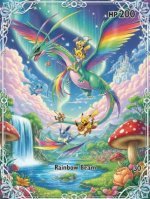

The term best Pokémon card art describes cards that stand out visually for their creativity, storytelling, and emotional impact. Fans admire cards not just for gameplay, but for the artwork—ranging from clean vintage styles by Ken Sugimori to the atmospheric digital paintings of Akira Egawa or the clay models of Yuka Morii. These cards capture personality, emotion, and even full narratives within a single frame, making them favorites among collectors.
There is no single “best” card, but several highly praised examples include:

The term best Pokémon card art describes cards that stand out visually for their creativity, storytelling, and emotional impact. Fans admire cards not just for gameplay, but for the artwork—ranging from clean vintage styles by Ken Sugimori to the atmospheric digital paintings of Akira Egawa or the clay models of Yuka Morii. These cards capture personality, emotion, and even full narratives within a single frame, making them favorites among collectors.
There is no single “best” card, but several highly praised examples include:
- Magikarp (Paldea Evolved) – Shinji Kanda’s clever reflection showing a hidden Gyarados.
- Leafeon VSTAR (Galarian Gallery) – Soft, atmospheric art loved by collectors.
- Poliwhirl (151 Set) – A calm rainy-puddle reflection scene.
- Mewtwo GX (Shining Legends) – Strong, classic full-art style.
- Primal Groudon-EX – Bold, powerful composition.
- Tokiya Sakuba – Surreal, detailed backgrounds.
- Shinji Kanda – Pattern-heavy, storytelling illustrations.
- Akira Egawa – Oil-painting style digital art.
- Yuka Morii – Clay figure photography.
- Emotional connection: Art creates nostalgia and attachment.
- Value & Collectibility: Stunning art increases demand and price.
- Display appeal: Many collectors buy cards purely for aesthetics.
- Artist reputation: Popular illustrators raise card desirability.
- Storytelling: Some cards show full scenes or emotional moments.
- Gameplay recognition: Strong visuals help players identify cards quickly.
- Builds nostalgia and emotional depth.
- Increases market value, especially for rare variants (SAR, IR, Alt Art).
- Enhances display quality in binders or showcases.
- Encourages skill development for kids (organization, value understanding).
- Features iconic styles and creative techniques like watercolor, foil, or clay art.
- Get Inspired – Choose a story, pose, emotion, or environment.
- Pick a Template – Standard layout or full-art frame.
- Design Your Card – Sketch, color, and refine the artwork.
- Review & Edit – Adjust details, lighting, and composition.
- Print a Test – Check color accuracy and borders.
- Final Print & Cut – Produce the final card

- Off-center or miscut borders
- Square-cut corners
- Holo bleed or missing holo layer
- Ink stains or misaligned colors
- Typo errors (HP, name, attacks)
- Crimped edges from pack sealing
2. Artistic “Mistakes” (Community Opinions)
- Generic poses with no personality
- Flat or low-contrast backgrounds
- Awkward anatomy or proportions
- Repetitive style with no storytelling
- Pokémon TCG Official Database – Official card details.
- PkmnCards.com – Best visual search by artist/set.
- Bulbapedia – Comprehensive card, set, and artist info.
- Reddit: r/PokemonTCG, r/pkmntcgcollections
- Elite Fourum – Deep collector discussions.
- Pokémon Illustration Contest – See winning art and styles.
- Explore artists like Arita, Egawa, Morii, Ooyama, Saitou, and more.